Kimono Rental Tokyo
Tours & tickets

Hand-picked by our editors — only the best 5 kimono experiences from 23 reviewed.

Open today 09:00–18:00
Attendance: Moderate — autumn season
Visit during the recommended 09:00–11:00 window to ensure the best kimono selection.
Instant confirmation Free cancellation Mobile voucher Verified partner Book now, pay later
Tickets

Choose your ticket

Verified partners for every tour, free cancellation where available, and instant confirmation on every booking.

Asakusa Kimono Dressing & Matcha Tea Ceremony 2 hr
Standard Entry

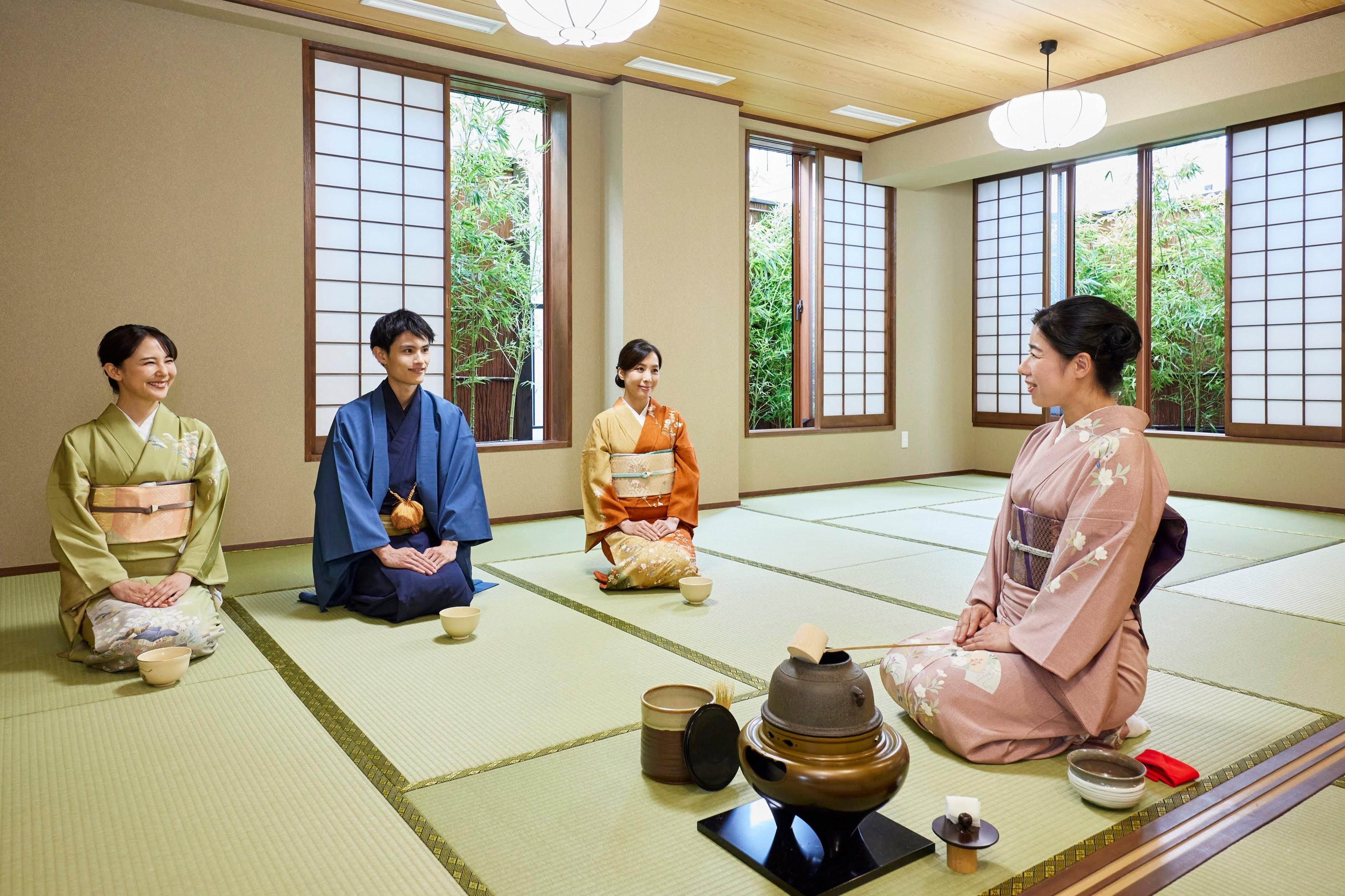
Asakusa Kimono Dressing & Matcha Tea Ceremony

★ 4.9 (274)
€50
per person
Instant Mobile voucher Flexible — change up to 24h

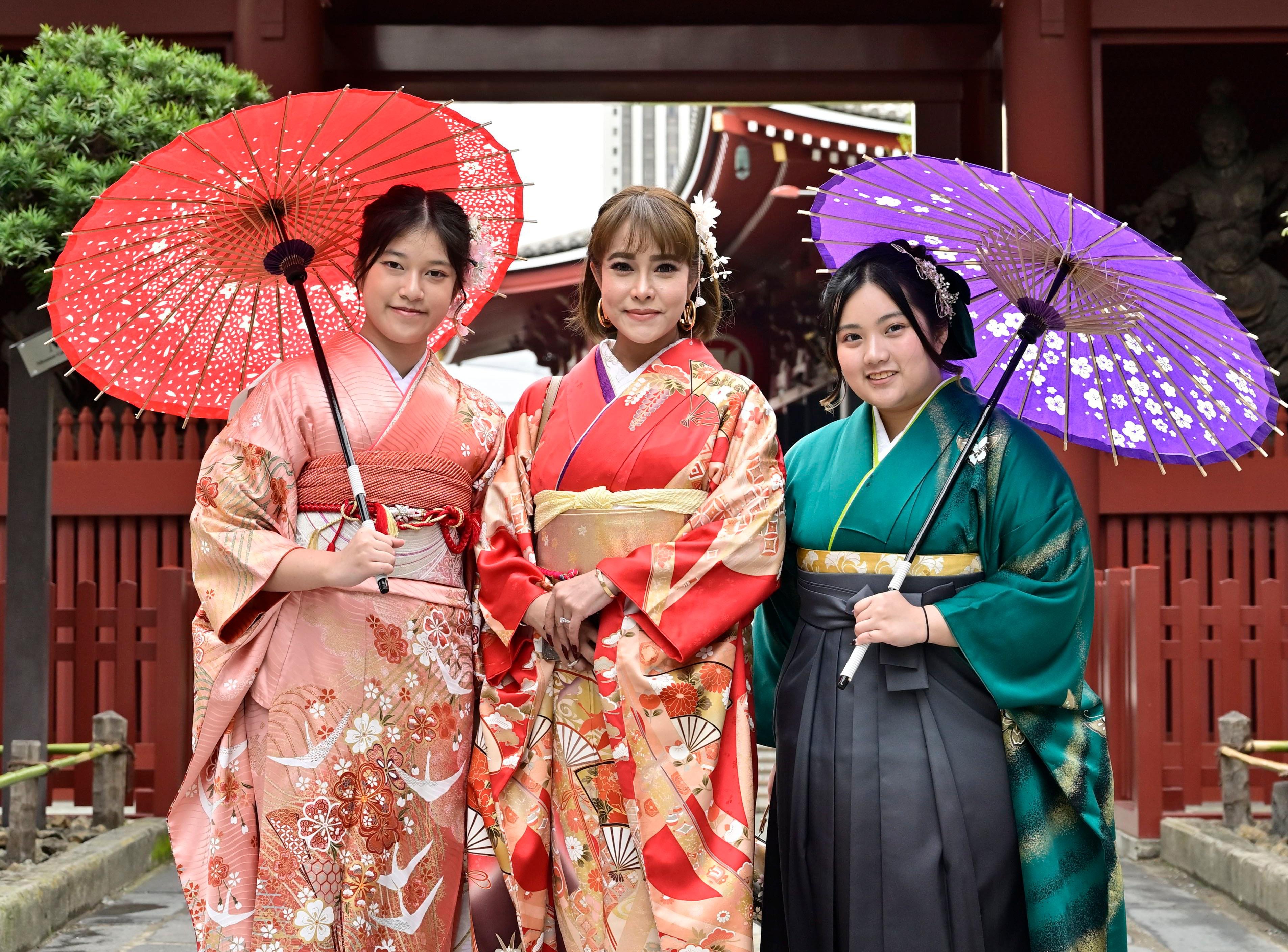
Dress in authentic kimono, stroll historic Asakusa streets, and learn the art of Japanese tea preparation

Reserve
Miu Kimono Rental with Optional Photo Session in Asakusa 24 hr
Guided Experience

Miu Kimono Rental with Optional Photo Session in Asakusa

★ 4.9 (239)
€27
per person
Instant Mobile voucher Flexible — change up to 24h

Dress in traditional Japanese attire and stroll through Tokyo's historic streets with professional styling included.

Reserve

Prices from verified partners. Availability updates in real time at checkout. Free cancellation policies apply where shown.

What you'll do

Inside a tour, step by step

  1. 01 30 min

    Arrival and Check-in

    Confirm your booking and select your kimono style.

Highlights

What you'll see inside the attraction

The landmarks, rooms, and views travelers on this tour remember — all visible on a single visit.

Senso-ji Temple Main Hall

The spiritual heart of Asakusa, featuring a massive lantern and traditional architecture.

Kaminarimon Gate

The iconic entrance gate featuring a giant red lantern, perfect for first-time kimono photos.

Nakamise Shopping Street

A historic thoroughfare lined with stalls selling traditional snacks and crafts.

Asakusa Shrine

Located adjacent to the temple, this site offers a quieter atmosphere for photos.

Sumida River Promenade

A scenic path providing views of the Tokyo Skytree and historic water views.

Head to head

Kimono Rental Tokyo Asakusa vs Standard Sightseeing: Which Approach Fits Your Visit?

They complement each other; most visitors who do both find that participating in kimono rental tokyo asakusa tours provides a more profound connection to traditional heritage than casual exploration. While standard sightseeing offers ease, the aesthetic appeal of local garments creates lasting memories during kimono rental tokyo asakusa visits.

Feature Top pick Kimono Rental Casual Sightseeing
Experience Depth
Casual observation
Flexibility and Comfort
High mobility
Photography Potential
Standard snapshots
Cost
0 JPY
Time Commitment
Flexible
Physical Mobility
Rapid transit

Verdict: Choose the formal attire experience for heritage engagement or rely on standard sightseeing when prioritizing maximum comfort and spontaneous kimono rental tokyo asakusa tickets usage.

How your ticket works

Book your ticket in 3 steps

  1. 01

    Book online

    Choose your ticket, select your date, and reserve in under two minutes. Secure checkout handled by our verified partner.

  2. 02

    Receive your mobile voucher

    Instant confirmation by email, with a mobile voucher you can save offline. No printing, no queuing at a collection desk.

  3. 03

    Show & enter

    Arrive at the entrance, show your voucher on your phone, and walk in. Most tickets include priority or skip-the-line access.

Plan your visit

Everything you need to know before you go

Practical details for your visit straight from our verified partners — hours, access, rules, and how to get there.

Open today · 09:00–18:00
Operating Hours
09:00–18:00
Address
Asakusa, Taito City, Tokyo, Japan
Arrival Advice
09:00–11:00
Peak Season
Autumn
Storage
Included with rental
Navigation
Available on provider site
Mon
09:00–18:00
Tue
09:00–18:00
Wed
09:00–18:00
Thu
09:00–18:00
Fri
09:00–18:00
Sat
09:00–18:00
Sun
09:00–18:00
Main entrance

Asakusa Station

Asakusa, Taito City, Tokyo

Major hub for most rental shops.

Address
Asakusa, Taito City, Tokyo, Japan
Storage
Included with rental
Navigation
Available on provider site

How to get there

🚆
Public transport · 30–60 min from central Tokyo · Variable

Use the Ginza Line or Toei Asakusa Line to reach Asakusa Station.

Dress code

Wear a simple, low-neckline top (like a tank top) to ensure the kimono collar fits smoothly. Thermal innerwear is recommended during the cooler autumn months for added comfort.

Bags & security

Most kimono rental tokyo asakusa providers offer complimentary luggage storage. You will receive a small, coordinating tote bag to carry your personal valuables while exploring the neighborhood.

Photography

Photography is permitted throughout the public areas of Asakusa. Many kimono rental tokyo asakusa providers offer dedicated photoshoot add-ons or indoor photo spaces within the shop.

Accessibility

While the shops are generally accessible, the historic Asakusa streets have uneven paths and crowded areas. Please confirm specific accessibility needs regarding dressing room facilities with your chosen provider.

What to bring

  • Valid ID
  • Reservation confirmation
  • Comfortable walking shoes
  • Warm layers (winter)
  • Hair accessories (optional)
  • Camera
  • Cash for extras

Not allowed

  • Dangerous goods
  • Alcohol
  • Large suitcases
  • Pets
  • Smoking materials
  • Open flames
  • Non-rental costumes
  • Strollers
  • Sharp objects
  • Harsh chemicals

Families & strollers

Family packages are available for various age groups, including children's kimono sets. Ensure you book ahead if visiting as a group to secure simultaneous dressing times.

Food & drink

Eating street food while wearing a kimono is a popular experience, but use caution to avoid spills. Many vendors near the landmark sites provide convenient outdoor seating.

Meeting point

Where to find us

Asakusa Station

Asakusa, Taito City, Tokyo

Major hub for most rental shops.

Get directions
Around your visit

Everything else worth knowing

Best time to go, insider tips, nearby landmarks, and the cancellation fine print — flip through to skim what matters to you.

Best time to visit

How crowds, weather, and events shift across the year.

Spring

Mild weather perfect for sakura-themed photoshoots and temple strolls.

Autumn

Comfortable temperatures ideal for visiting Asakusa landmarks in traditional dress.

Winter

Cooler, but allows for elegant layering with scarves and winter accessories.

Summer

Focus on light yukata rentals during festival periods.

Helpful tips for your visit

Small details that turn a good visit into a great one.

Book Early

Reserve your kimono rental tokyo asakusa online to guarantee your preferred style and time slot.

Morning Arrival

Aim for 09:00–11:00 to avoid mid-day crowds and secure the best selection.

Comfortable Undergarments

Wear thin, V-neck layers to ensure the kimono sits correctly and comfortably.

Check Inclusions

Confirm if your kimono rental tokyo asakusa package includes professional hair styling.

Return Timing

Check your rental shop's return deadline to avoid late fees after exploring.

Nearby landmarks

Non-bookable sights within a short walk — free to visit, easy to pair.

Senso-ji Temple

1 min

Historic Buddhist temple and the oldest in Tokyo.

Cancellation policy

Flexible, no hidden fees.

Full refunds are typically provided for cancellations made up to 48 hours before your scheduled appointment. Same-day cancellations may incur a 100% penalty of the rental fee.

Where to stay

Hotels & districts near the attraction

Hand-picked options within walking distance — pick a district for vibe, or a specific hotel for convenience.

Asakusa District

mid-range

A wide variety of hotels and hostels located within walking distance of rental shops.

About

The place, in context

Asakusa's kimono rental district emerged in the 1980s when local textile merchants converted storage spaces near Sensō-ji into dressing studios, recognizing that foreign visitors sought more than photographs of the temple's Thunder Gate. By 2010, the neighborhood supported seventeen rental shops along Dembōin-dōri and the narrow lanes threading south from Kaminarimon. Today the concentration of kimono rental tokyo asakusa providers in Taito ward supplies traditional silk attire to approximately 400,000 visitors annually, with bookings peaking during cherry blossom season and autumn foliage weeks. The rental model balances accessibility with craft. Standard packages include silk kimono in seasonal patterns, an obi belt tied in traditional musubi knots, and zōri sandals with tabi socks. Professional dressers require twelve to fifteen minutes to layer and secure the garments according to kitsuke method, which originated in the Edo period and standardized the folding sequence for collar, sleeves, and obi placement. Many studios now offer optional hair styling in shimada or marumage arrangements, makeup application following maiko conventions, and scheduled tea ceremony participation in adjacent machiya townhouses. Asakusa's appeal as a dressing location lies in its preserved streetscape. Nakamise-dōri's wooden shopfronts and Sensō-ji's five-story pagoda provide immediate backdrops for photography, while the Sumida River embankment and Hanayashiki amusement park gate offer secondary settings within walking distance. The district's compact geography allows renters to complete a three-hour circuit without navigating subway transfers in formal footwear. Rental inventory reflects regional weaving traditions. Studios stock komon patterns from Kyoto mills, geometric ikat from Arimatsu, and indigo-dyed cotton yukata for summer months. Furisode robes with floor-length sleeves remain reserved for coming-of-age ceremonies but appear in premium photography packages. Children's sizes follow shichi-go-san festival proportions. The rental cycle turns daily, with garments inspected and pressed each evening before returning to display racks at nine the following morning.

"Professional dressers require twelve to fifteen minutes to layer and secure the garments according to kitsuke method, which originated in the Edo period."
Your experience

What a tour day looks like

A step-by-step walkthrough of the visit — what you'll see, how long each stage takes, and the details that matter.

You arrive at the rental studio shortly after opening, when morning light slants through shōji screens and the scent of tatami mats mingles with silk storage sachets. Your dresser gestures toward racks organized by color and season—indigo waves for autumn, pale pink plum blossoms, crimson maple gradients. You select a pattern, and within minutes you're standing on a low platform while layers accumulate: the nagajuban underrobe, the kimono itself pulled taut across your shoulders, the obi wound three times around your waist and tied in a drum knot at your back. You step into zōri sandals and practice the shortened stride required by the narrow hem. Outside, Nakamise-dōri's morning vendors are arranging ningyo dolls and folding fans. You walk toward Hōzōmon Gate, the silk sleeves brushing your wrists with each step, tourists pausing to photograph your silhouette against vermilion pillars. At Sensō-ji's main hall, you join the line to toss a coin into the offering box, the weight of the fabric grounding each movement. If you've booked a tea ceremony extension, you're guided to a machiya tearoom where a host demonstrates the whisking of matcha in deliberate, circular motions. You kneel on a cushion, accepting the bowl with both hands, rotating it twice before sipping. The entire ritual unfolds in twenty minutes, but the stillness lingers longer.

Frequently asked

Frequently asked questions about kimono rental tokyo asakusa tours

What are the opening hours for kimono rental tokyo asakusa?

Most shops operate from 09:00 to 18:00, with many offering returns by closing time.

Do I need a reservation for a kimono rental tokyo asakusa tour?

Reservations are highly recommended for your kimono rental tokyo asakusa tour to ensure availability and faster service.

How much does kimono rental tokyo asakusa cost?

Rental prices typically vary from 3000 to 6000 JPY for standard packages at most Asakusa providers.

Is there a dress code for kimono rental tokyo asakusa?

For your kimono rental tokyo asakusa experience, wear a low-neckline, thin top to ensure the kimono fits comfortably.

Can I bring my own bag to a kimono rental tokyo asakusa site?

Most providers offer secure luggage storage during your kimono rental tokyo asakusa visit and provide a small tote for valuables.

When is the best time for a kimono rental tokyo asakusa tour?

The best time for a kimono rental tokyo asakusa tour is during the 09:00–11:00 arrival window to avoid crowds.

Are children allowed in kimono rental tokyo asakusa?

Yes, family-friendly shops provide various sizes for your kimono rental tokyo asakusa experience.

What happens if I need to cancel my kimono rental tokyo asakusa tickets?

Policies for kimono rental tokyo asakusa tickets vary, but many shops offer full refunds if cancelled 48 hours in advance.

How do I reach the kimono rental tokyo asakusa area?

The Asakusa area is easily accessible via the Ginza Line or Toei Asakusa Line for your kimono rental tokyo asakusa visit.