
1 hr 30 min
Asakusa Kimono Tea Ceremony with Matcha
Dress in traditional kimono and learn authentic tea ceremony rituals from a master in serene Tokyo setting
Reserve
Hand-picked by our editors — only the best 5 experiences from 23 reviewed
Verified partners for every tour, free cancellation where available, and instant confirmation on every booking.
1 hr 30 min
Dress in traditional kimono and learn authentic tea ceremony rituals from a master in serene Tokyo setting
Reserve
2 hr
Dress in traditional Japanese attire, sip matcha tea, and explore historic Asakusa at your own pace
Reserve
24 hr
Wear an authentic kimono for a full day of exploring historic Asakusa with help from certified dressers.
ReservePrices from verified partners. Availability updates in real time at checkout. Free cancellation policies apply where shown.
The landmarks, rooms, and views travelers on this tour remember — all visible on a single visit.
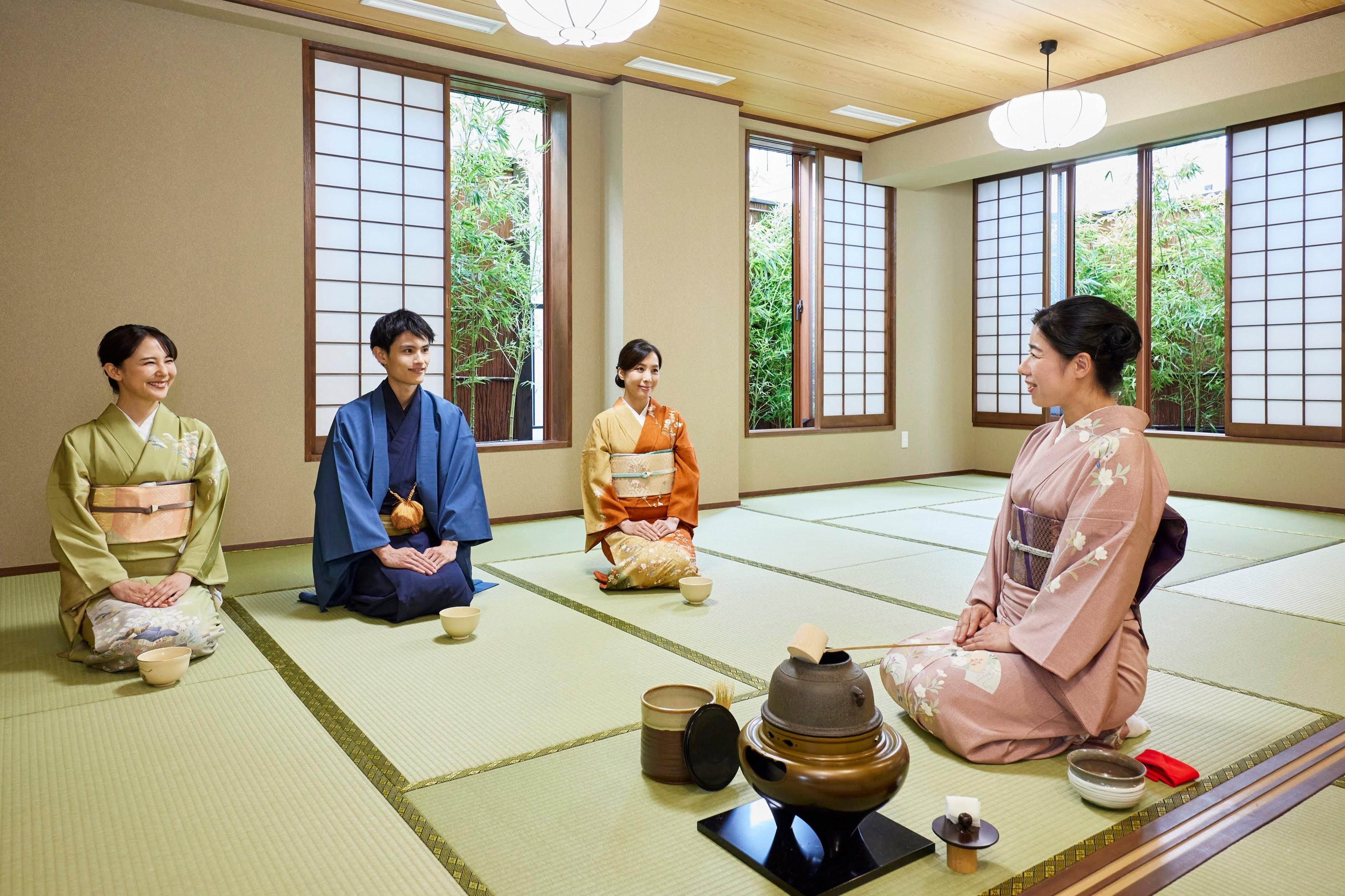
Traditional tea room interior
Historic Kaminarimon gate entrance
Master preparing matcha tea
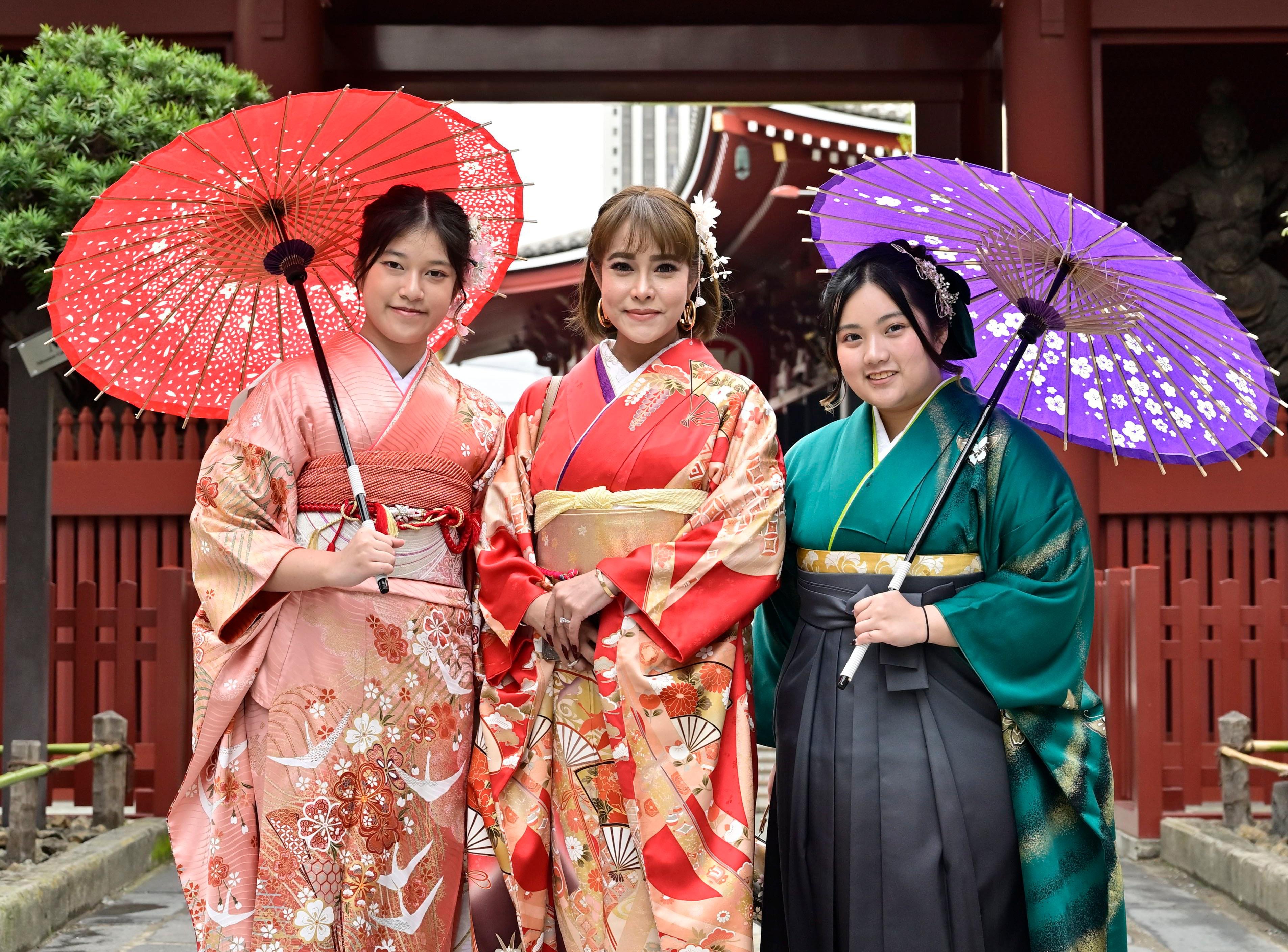
Colorful silk kimono collection
Private red torii garden
They complement each other, but the bundled package offers more convenience while a standalone session provides deeper historical immersion; choosing the right kimono rental tea ceremony tokyo tour depends on your schedule.
| Feature | Top pick Kimono Rental Package | Standalone Tea House |
|---|---|---|
Package Convenience |
Full service outfit and ceremony | |
Authenticity Level |
Cultural experience focus | |
Venue Atmosphere |
Traditional interior design | |
Time Commitment |
2–4 hours | |
Suitability for Photos |
High suitability for portraiture | |
Cultural Engagement |
Guided participation | |
| See tickets → |
Verdict: If you prioritize ease of access and visual documentation, select the bundled kimono rental tea ceremony tokyo tickets, whereas those seeking minimalist, quiet reflection should choose a standalone tea ceremony.
Choose your ticket, select your date, and reserve in under two minutes. Secure checkout handled by our verified partner.
Instant confirmation by email, with a mobile voucher you can save offline. No printing, no queuing at a collection desk.
Arrive at the entrance, show your voucher on your phone, and walk in. Most tickets include priority or skip-the-line access.
Practical details for your visit straight from our verified partners — hours, access, rules, and how to get there.
1-7-8 Kaminarimon, Taito City, Tokyo
Main entrance for kimono rental tea ceremony tokyo tours
Use the Ginza Line to Asakusa Station; the shop is a short walk away.
Direct drop-off at Kaminarimon is available for a premium fee.
Casual comfortable clothing is recommended as a base layer for your kimono rental tea ceremony tokyo experience. Staff will provide all traditional garments, including silk or lace kimono, obi belts, and tabi socks.
Personal belongings can be stored on-site during your kimono rental tea ceremony tokyo appointment. Due to limited space, please avoid bringing large suitcases or oversized luggage.
Photography is encouraged throughout your kimono rental tea ceremony tokyo tour. Guests may use personal cameras, though professional gear setups should be cleared with staff beforehand.
The venue for the kimono rental tea ceremony tokyo provides chair-based seating for those who prefer not to sit on the floor. Please notify staff regarding mobility needs when booking your kimono rental tea ceremony tokyo tickets.
Mobile phones may be used for photos during the kimono rental tea ceremony tokyo tour. Please set devices to silent mode to maintain the atmosphere of the tea room.
Families are welcome to join the kimono rental tea ceremony tokyo. Children’s kimonos are available, and the tea ceremony is an engaging way to introduce youth to Japanese traditions.
Traditional matcha green tea and seasonal wagashi sweets are included in the base 3,500 JPY kimono rental tea ceremony tokyo price. Please inform staff of any specific food allergies prior to your visit.
Pets are strictly prohibited inside the kimono rental tea ceremony tokyo facility to protect the delicate traditional textiles and tea equipment.
The kimono rental tea ceremony tokyo experience allows you to explore surrounding Asakusa landmarks in your attire after the session. Most plans include a return time of 22:00 to match shop hours.
1-7-8 Kaminarimon, Taito City, Tokyo
Main entrance for kimono rental tea ceremony tokyo tours
Get directionsBest time to go, insider tips, nearby landmarks, and the cancellation fine print — flip through to skim what matters to you.
How crowds, weather, and events shift across the year.
March–May offers iconic cherry blossom views perfect for a kimono rental tea ceremony tokyo tour.
June–August is ideal for yukata experiences during local festivals.
September–November provides crisp weather, ideal for a kimono rental tea ceremony tokyo tour with autumn foliage.
December–February features quieter streets and the serene atmosphere of New Year traditions.
Small details that turn a good visit into a great one.
Reservations for a kimono rental tea ceremony tokyo experience should be made at least 30 days in advance during peak months.
Wear simple, low-neck clothing to make the kimono dressing process faster and more comfortable.
While indoor tea ceremonies proceed regardless of weather, outdoor kimono walks are best on clear days.
Arriving at 09:00 provides the calmest conditions for your kimono rental tea ceremony tokyo visit.
Our expert kimono stylists can suggest the best poses for your photos at local landmarks.
Non-bookable sights within a short walk — free to visit, easy to pair.
Tokyo's oldest temple featuring a historic five-story pagoda and vibrant shopping street.
A bustling path filled with traditional snacks and local artisan crafts leading to the temple.
Riverside paths offering panoramic views of the Tokyo Skytree and city skyline.
A historic Shinto shrine adjacent to Sensoji with beautiful wooden architecture.
Flexible, no hidden fees.
Full refunds are available for cancellations made at least 24 hours before the scheduled start time. Please note that the base entrance fee of 3,500 JPY is subject to plan-specific terms.
Hand-picked options within walking distance — pick a district for vibe, or a specific hotel for convenience.
Upscale hotel with stunning views of Sensoji Temple.
Convenient location near the kimono rental tea ceremony tokyo site.
Comfortable social atmosphere for travelers on a budget.
The Asakusa district preserves Tokyo's most concentrated tradition of kitsuke — the formal art of kimono dressing — paired with sadō tea ceremony practice dating to the Edo period when temple districts served as cultural hubs for samurai and merchant classes alike. Every fold of the obi belt and angle of the collar follows protocols codified in the 1600s, when Sensō-ji temple anchored a network of tea houses serving pilgrims traveling the Tōkaidō road. Modern kimono rental tea ceremony Tokyo offerings in the Kaminarimon neighborhood operate from machiya townhouses where generations of dressers trained apprentices in the twelve-layer process of formal attire. The ceremonial preparation of matcha — stone-ground green tea whisked to foam — follows the Urasenke school established by Sen no Rikyū in 1591. Practitioners measure water temperature to within two degrees, select seasonal wagashi sweets to balance the tea's astringency, and execute the chakin purification cloth ritual unchanged since the Momoyama era. Asakusa's tea rooms occupy tatami spaces designed around tokonoma alcoves displaying scroll calligraphy and ikebana arrangements that shift with the twenty-four solar terms of the traditional calendar. The district's proximity to Sumida River warehouse districts once made it a clearinghouse for Uji-grown tea arriving by boat from Kyoto. Contemporary studios blend historical accuracy with accessibility, offering morning slots when autumn light filters through shoji screens and temperatures suit silk layers. Dressers trained in kitsuke schools select kimono patterns appropriate to season and occasion — plum blossoms for early spring, maple leaves for October and November. The full ritual spans ninety minutes: thirty for dressing assistance including obi tying and collar adjustment, forty for the seated tea ceremony led by certified practitioners, twenty for photography in the studio's interior garden modeled on Edo-period merchant courtyards. Participants learn the prescribed three-and-a-half sips that complete a bowl of koicha thick tea and the quarter-turn rotation of the chawan bowl that honors its maker. Taito ward's concentration of artisan workshops ensures authentic materials — hand-dyed silk, bamboo whisks carved in Nara, ceramic bowls fired in regional kilns. Most Asakusa operators source kimono from estate collections, offering patterns no longer in commercial production. The tea ceremony component uses matcha from Kyoto cooperatives practicing shade-growing techniques perfected over four centuries. This convergence of textile heritage and beverage ritual creates an embodied introduction to kata — the choreographed forms underlying traditional Japanese arts.
"Every fold of the obi belt and angle of the collar follows protocols codified in the 1600s, when Sensō-ji temple anchored a network of tea houses serving pilgrims traveling the Tōkaidō road."
A step-by-step walkthrough of the visit — what you'll see, how long each stage takes, and the details that matter.
You arrive at the Kaminarimon studio near Sensō-ji's Thunder Gate, removing shoes at the genkan entrance. A certified dresser guides you through racks of silk kimono organized by season — you select a pattern featuring chrysanthemums or geometric shibori tie-dye, then move to a private dressing area. The dresser layers the nagajuban under-robe, adjusts the collar to expose precisely two centimeters of nape, and secures the obi belt with a formal taiko drum knot requiring four minutes of folding and tucking. Tabi socks and zōri sandals complete the ensemble. You proceed to the tea room, a six-mat tatami space with a scroll depicting autumn grasses hanging in the tokonoma alcove. Kneeling in seiza position, you receive a nerikiri sweet shaped like a maple leaf on a lacquered tray. The tea master enters through the nijiri-guchi crawl-through door, carrying a black raku-ware chawan bowl and bamboo chasen whisk. She scoops two grams of matcha powder, adds seventy-degree water from an iron kettle, and whisks in a precise W-motion until foam forms. You bow, rotate the bowl twice clockwise to avoid drinking from its decorated front, and consume the tea in three measured sips as instructed. The ritual closes with a bow and inspection of the bowl's base stamp. You step into the interior courtyard garden planted with stone lanterns and dwarf maple trees for photographs before returning to change.
The shop is open daily from 08:00–22:00 for your kimono rental tea ceremony tokyo visit.
No special dress code is required; staff provide all traditional gear for your kimono rental tea ceremony tokyo appointment.
Yes, limited storage is available for personal items during your kimono rental tea ceremony tokyo experience.
Children are welcome to participate in the kimono rental tea ceremony tokyo with adult supervision.
The base fee covers the shared ceremony; premium kimono rental tea ceremony tokyo plans vary in price.
Booking online for your kimono rental tea ceremony tokyo tickets is highly recommended to guarantee your time slot.
Photography is permitted and encouraged during your kimono rental tea ceremony tokyo experience.
Yes, Sensoji Temple is a short walk from your kimono rental tea ceremony tokyo venue.
The venue is located at 1-7-8 Kaminarimon, accessible via the Ginza Line at Asakusa Station.