1 hr 30 min
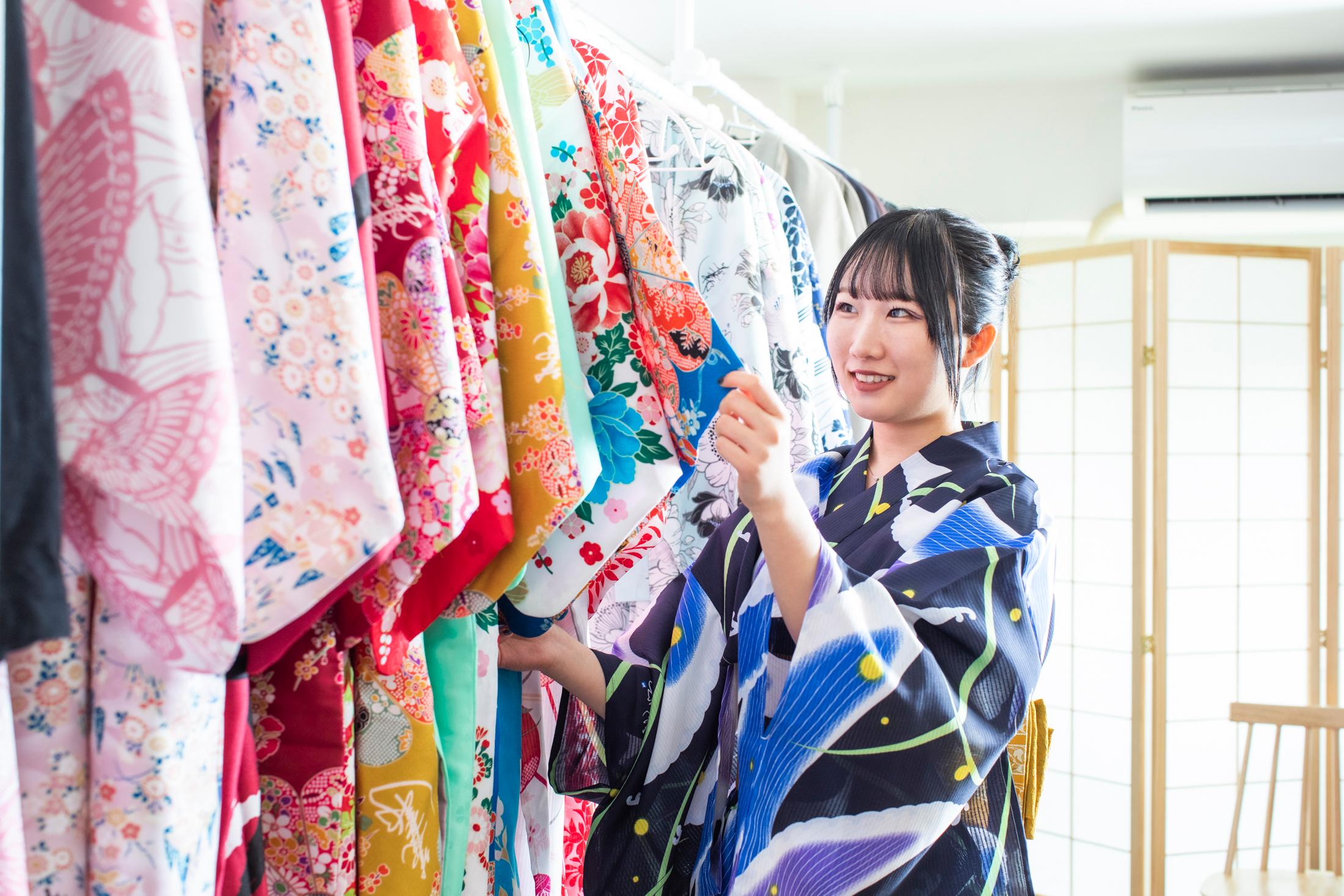
Harajuku Kimono Rental with English Support
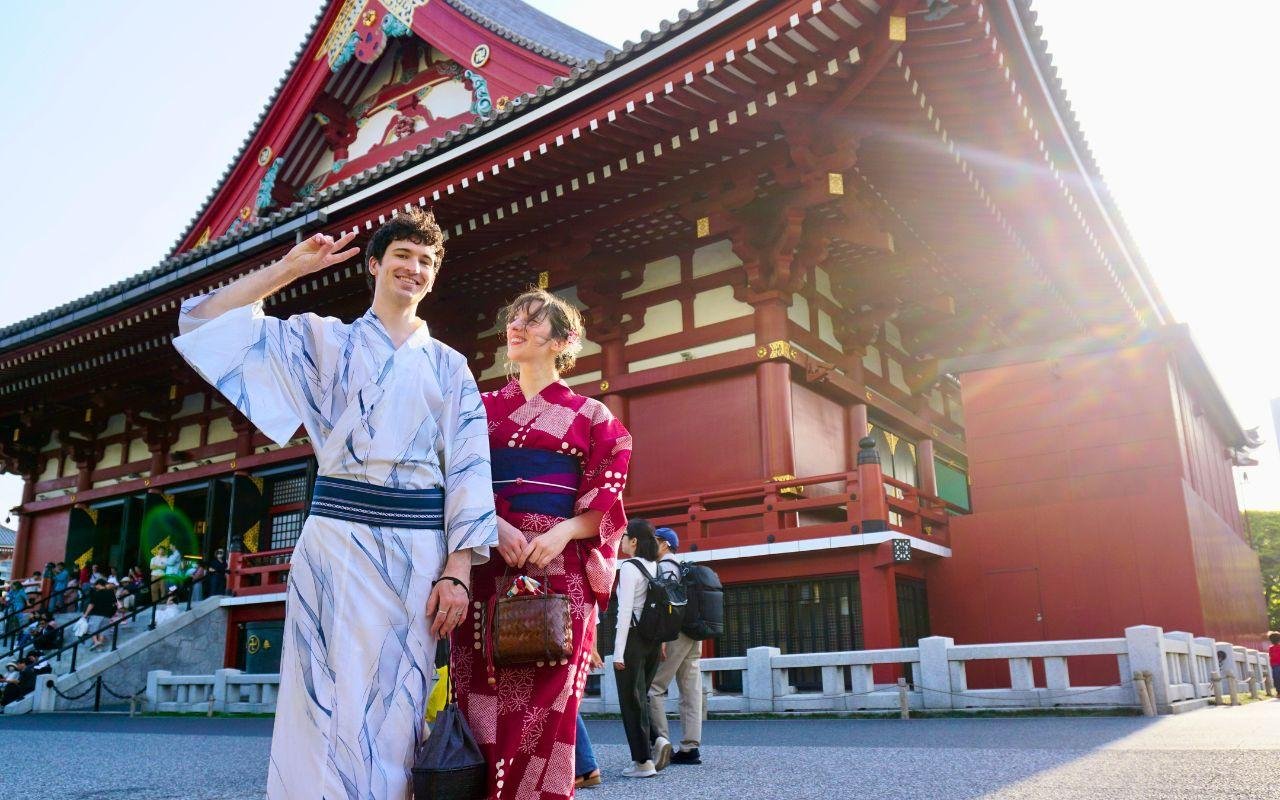
Dress in traditional Japanese attire and explore Tokyo's iconic neighborhoods in authentic style.
Reserve
Hand-picked by our editors — only the best 5 experiences from 12 reviewed.
Verified partners for every tour, free cancellation where available, and instant confirmation on every booking.
1 hr 30 min
Dress in traditional Japanese attire and explore Tokyo's iconic neighborhoods in authentic style.
Reserve
24 hr
Wear an authentic kimono for the day in Tokyo's historic district with professional fitting and styling
Reserve
24 hr
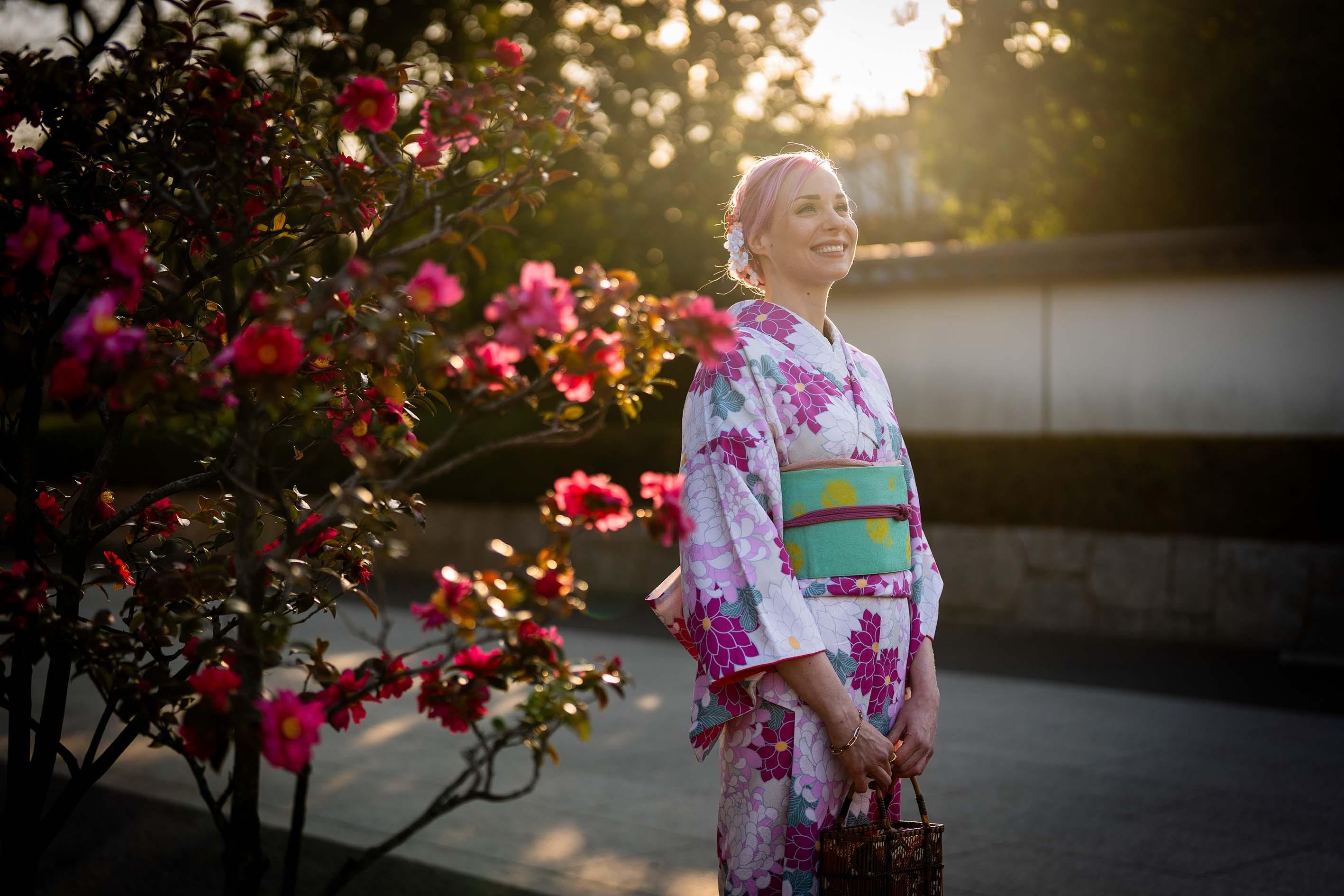
Dress in traditional Japanese attire and wander Tokyo's historic streets with professional styling included.
ReservePrices from verified partners. Availability updates in real time at checkout. Free cancellation policies apply where shown.
The landmarks, rooms, and views travelers on this tour remember — all visible on a single visit.
The headquarters offers the widest selection of designs and professional dressing services. It serves as the primary hub for your kimono rental tokyo shibuya experience.
They complement each other; most visitors who do both find the urban energy of Shibuya provides a sharp contrast to the traditional character of Asakusa kimono rental tokyo shibuya tours.
| Feature | Top pick Shibuya Rental | Asakusa Rental |
|---|---|---|
District Atmosphere |
Modern metropolitan style | Historic Edo period charm |
Photography Backdrops |
Neon lights and scramble crossing | Temples and traditional streetscapes |
Walking Distance to Shrines |
Limited access to heritage sites | Direct proximity to Senso-ji |
Vibe |
Contemporary and energetic | Cultural and nostalgic |
kimono rental tokyo shibuya tour availability |
Daily bookings available | Extensive daily capacity |
kimono rental tokyo shibuya tickets access |
Central Shibuya hub | Asakusa district center |
| See tickets → |
Verdict: Select the Shibuya experience for fashion-forward photography, or choose Asakusa if you prefer securing kimono rental tokyo shibuya tickets near historic landmarks.
Choose your ticket, select your date, and reserve in under two minutes. Secure checkout handled by our verified partner.
Instant confirmation by email, with a mobile voucher you can save offline. No printing, no queuing at a collection desk.
Arrive at the entrance, show your voucher on your phone, and walk in. Most tickets include priority or skip-the-line access.
Practical details for your visit straight from our verified partners — hours, access, rules, and how to get there.
15-14 Maruyamacho, Shibuya-ku, Tokyo
Near Yoyogi Park area
Use the Hachiko Exit at Shibuya Station. The shop is a short walk from the iconic Scramble Crossing.
Request a drop-off near Maruyamacho. Most drivers in the area are familiar with the district.
No special dress code is required for kimono rental tokyo shibuya, as you will change into your rental attire at the shop. We recommend wearing simple, thin undergarments for a more comfortable fit under the kimono.
Secure storage is available at the shop for your personal belongings while you explore. This kimono rental tokyo shibuya service ensures you can walk light through the city streets.
Photography is encouraged throughout your kimono rental tokyo shibuya experience. You may capture memories at nearby landmarks or book an optional studio session at the shop.
The shop is accessible for most visitors. Please notify the kimono rental tokyo shibuya team in advance if you have specific mobility requirements.
Mobile phones are permitted. Feel free to use them to document your kimono rental tokyo shibuya visit.
Families are welcome at kimono rental tokyo shibuya. A range of children's sizes is available, making it a perfect spot for group photos.
Please avoid eating or drinking while wearing your rental. If you plan to visit cafes, take extra care to protect your kimono rental tokyo shibuya attire from spills.
Pets are not permitted inside the shop. Service animals may be accommodated with prior notice.
The kimono rental tokyo shibuya staff provides full dressing assistance. This complimentary service is included with your rental.
Best time to go, insider tips, nearby landmarks, and the cancellation fine print — flip through to skim what matters to you.
How crowds, weather, and events shift across the year.
September to November offers comfortable temperatures around 15°C to 22°C. It is a prime time for kimono rental tokyo shibuya tours amidst the changing fall foliage.
March to May is popular for cherry blossoms. Early morning arrival is essential to beat the spring crowds.
June to August is warm; consider lighter Yukata options. Ensure you stay hydrated during your walk.
December to February is crisp and cool. Layering thermal innerwear under your kimono rental tokyo shibuya outfit is recommended.
Small details that turn a good visit into a great one.
Book your kimono rental tokyo shibuya slot in advance. High-demand designs go quickly during peak tourist seasons.
Select a kimono style that matches your planned activities. Opt for lighter fabrics if you intend to walk long distances.
Always look at the forecast before your kimono rental tokyo shibuya visit. Prepare an extra layer if temperatures are low.
Enjoy the free dressing service included with your rental. The experts at the shop ensure a secure and elegant fit.
Pair your visit with a trip to Meiji Jingu. It provides a beautiful backdrop for traditional photography.
Non-bookable sights within a short walk — free to visit, easy to pair.
The busiest intersection in the world, iconic for Tokyo city life.
A peaceful Shinto shrine surrounded by a dense forest in the city center.
A large green space perfect for walking in your traditional attire.
A bustling street filled with shops and local food stalls.
Flexible, no hidden fees.
Reservations for kimono rental tokyo shibuya can be adjusted by contacting the shop directly. Please note that the standard daily kimono rental fee is 6,600 JPY per person, excluding optional add-ons.
Hand-picked options within walking distance — pick a district for vibe, or a specific hotel for convenience.
Modern high-rise hotel with city views.
Conveniently located near the station and shopping.
Stylish design hotel in the heart of the district.
Shibuya's kimono rental quarter emerged in the mid-2010s as a counterpoint to the district's neon sprawl, anchoring traditional textile culture within walking distance of the Scramble Crossing. By 2020, over forty specialist ateliers operated between Harajuku Station and Meiji-dori, each maintaining inventories of two hundred to five hundred garments spanning Taisho-era furisode, Showa houmongi, and contemporary yukata adaptations. The concentration reflects Shibuya's dual identity: a technology and fashion hub that simultaneously preserves craft lineages dating to Kyoto's Nishijin weaving districts. Kimono rental Tokyo Shibuya services distinguished themselves through bilingual dressing assistance and photography packages tailored to international visitors unfamiliar with obi-musubi techniques or tabi sock protocols. Unlike Asakusa's temple-adjacent rental model, Shibuya operators position themselves as urban fashion experiences, pairing vintage silk with contemporary hairstyling and offering route maps that traverse Yoyogi Park, Takeshita-dori, and the Nezu Museum's bamboo grove. The district's rental infrastructure expanded significantly after 2018, when Instagram geolocation tags for Meiji Shrine's torii gate exceeded fifteen million posts annually, driving demand for culturally grounded content creation. Authenticity standards vary across Shibuya's rental landscape. Premium operators source antique kimono from estate sales in Kanazawa and Takayama, employing kitsuke-certified dressers who complete the twelve-layer process in eighteen minutes. Mid-tier services use polyester replicas with pre-tied obi, prioritizing turnover speed during cherry blossom and autumn foliage peaks. Fabric quality correlates directly with rental duration: daily packages from 6,600 yen typically feature machine-washable blends, while half-day premiums at 12,000 yen guarantee hand-dyed silk with traditional motifs—crane, pine, and plum blossom patterns that carry specific seasonal and ceremonial meanings. The Shibuya kimono rental tour ecosystem now integrates with broader Tokyo cultural circuits. Visitors departing Harajuku ateliers at 10:00 reach Meiji Shrine's main hall by 10:30, navigate to Omotesando's architecture district by noon, and return garments by 18:00 after sunset shoots at Shibuya Sky's observation deck. This choreography reflects the district's logistical advantage: centralized rail access via JR Yamanote, Fukutoshin, and Ginza lines, positioning Shibuya as the optimal kimono rental hub for same-day multi-district itineraries across metropolitan Tokyo.
"Premium operators complete the twelve-layer kitsuke process in eighteen minutes, pairing estate-sourced silk with routes through Yoyogi Park and the Nezu Museum's bamboo grove."
A step-by-step walkthrough of the visit — what you'll see, how long each stage takes, and the details that matter.
You arrive at the Harajuku atelier ten minutes before your 10:30 reservation, stepping from Takeshita-dori's streetwear chaos into a tatami-mat studio lined with lacquered clothing racks. An English-speaking dresser guides you through fabric samples—autumn offerings skew toward rust and persimmon hues, winter stock toward indigo and charcoal—and you select a Taisho-era reproduction with maple leaf embroidery along the hem. The kitsuke process begins: undergarments, nagajuban inner robe, then the kimono itself, each layer smoothed and aligned before the obi wrapping starts. Your dresser folds the silk sash into a taiko-musubi drum knot, securing it with a narrow obijime cord and tucking decorative obidome clasps at precise intervals. By 11:00 you're walking north toward Meiji Shrine, wooden geta sandals clicking against asphalt, the kimono's restricted stride forcing a measured pace through Yoyogi Park's gravel paths. You pause at the shrine's torii gate for photographs—other visitors in rental kimono cluster near the sake barrel display—then continue to Omotesando, where the garment's formality contrasts sharply with glass-facade boutiques and espresso bars. The obi holds firm through four hours of movement. You return the kimono at 17:45, the dresser inspecting seams and collar for soil before signing your return receipt. The entire experience—selection, dressing, six-hour wear, and return—unfolds within Shibuya's compressed two-kilometer radius, a distilled encounter with textile tradition embedded in Tokyo's densest urban quarter.
The shop is open from 10:00–18:00 every day, except Tuesdays. Please note that we close weekly on Tuesdays.
The standard daily fee is 6,600 JPY per person, excluding optional add-ons.
We recommend arriving between 10:00–11:00 to avoid peak-season crowds and ensure the widest selection.
Yes, the shop provides secure on-site storage for your personal items while you enjoy your day.
It typically takes about 20 minutes to change into your attire at the kimono rental tokyo shibuya location.
Yes, children are welcome, and we offer a variety of sizes for family experiences.
Yes, hair styling is available for an additional fee depending on the service level chosen.
Please contact the shop directly regarding your booking to discuss any potential modifications.
Yes, the location is a short walk from major sites like Shibuya Scramble Crossing and Yoyogi Park.